Michal Černušák
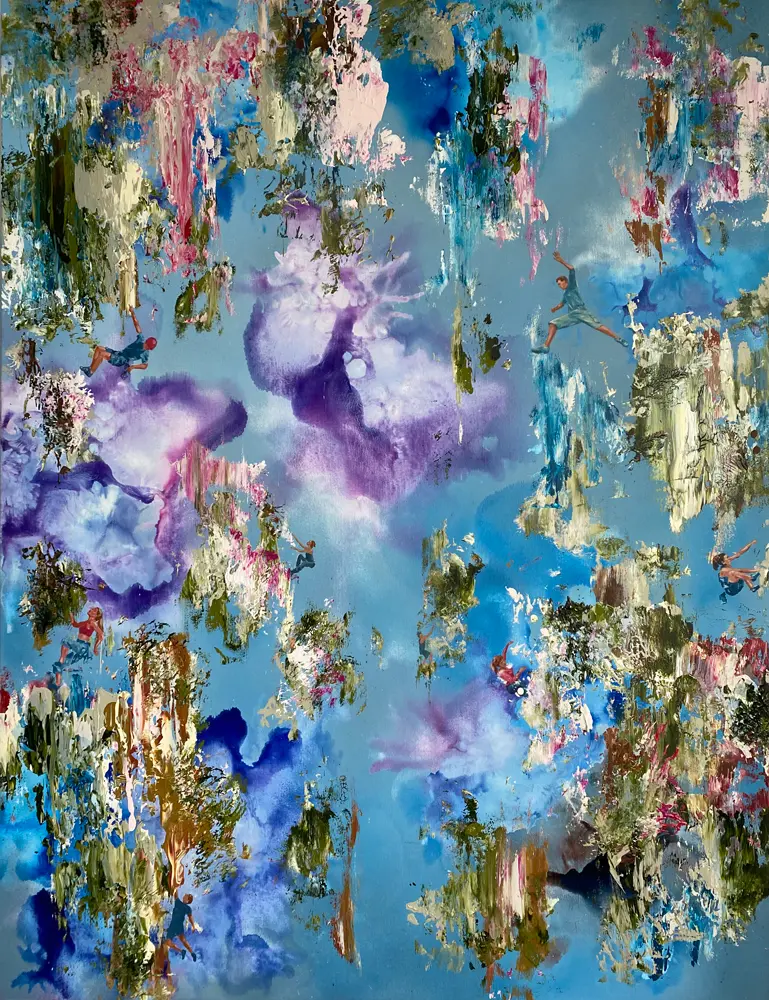
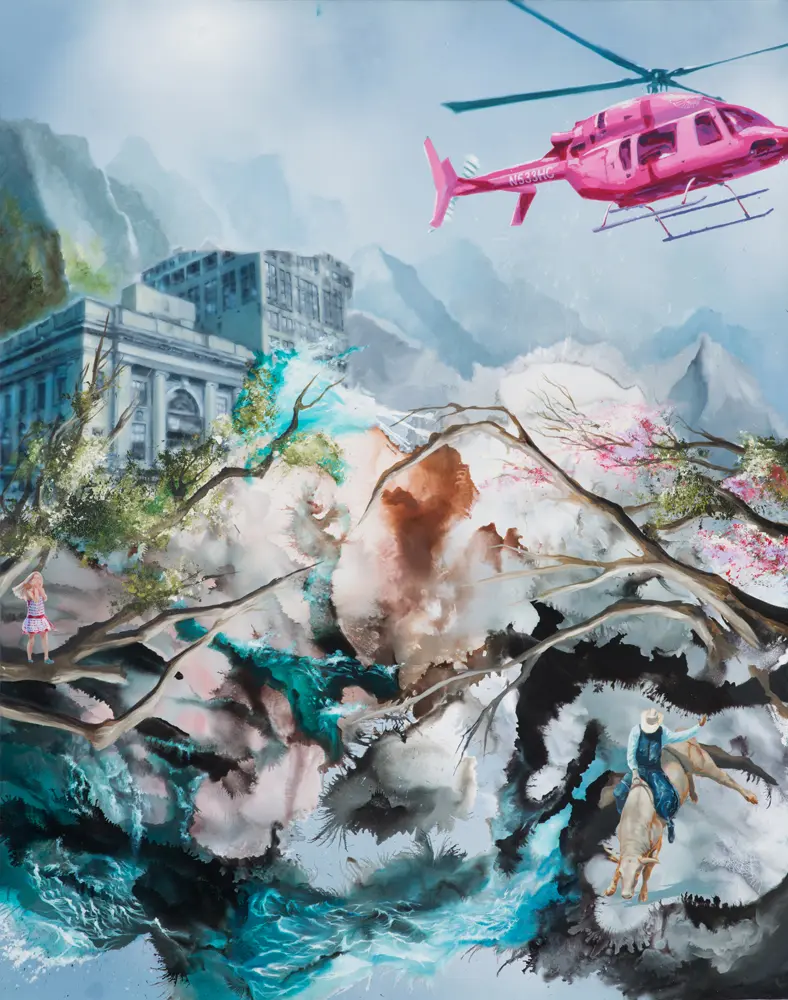
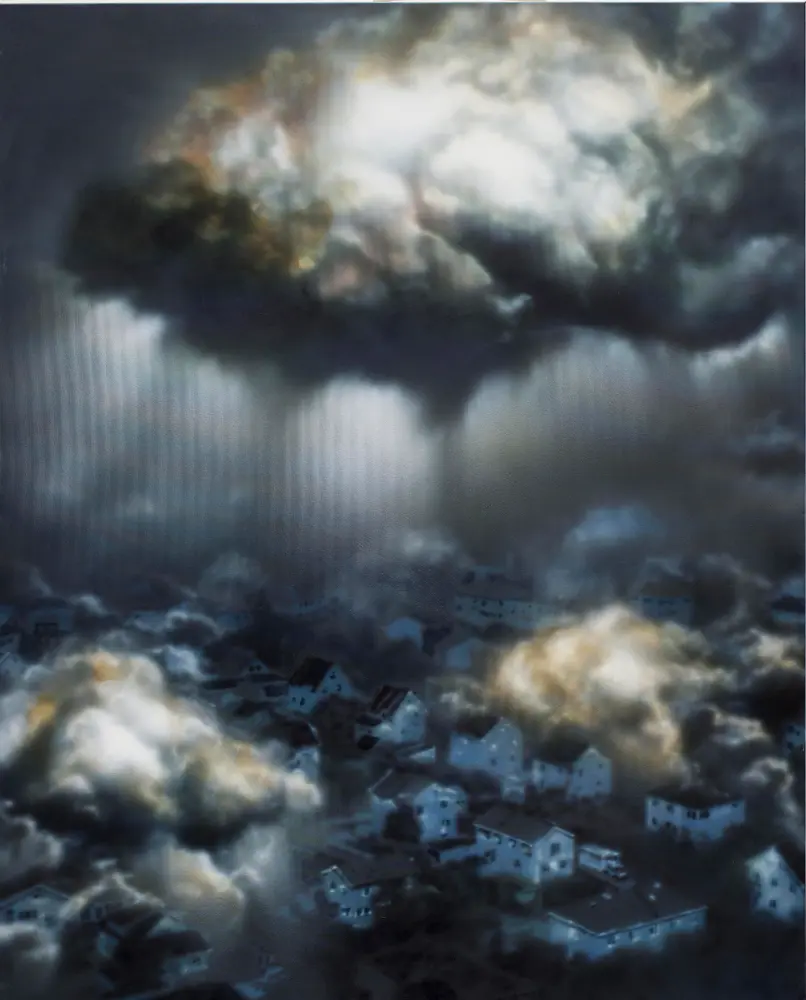
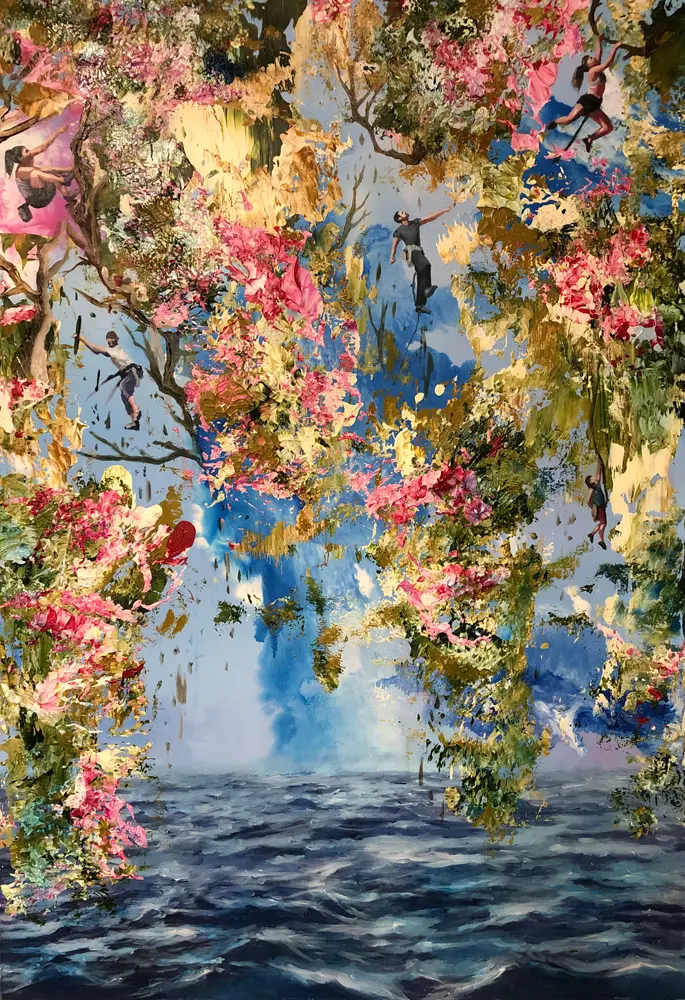
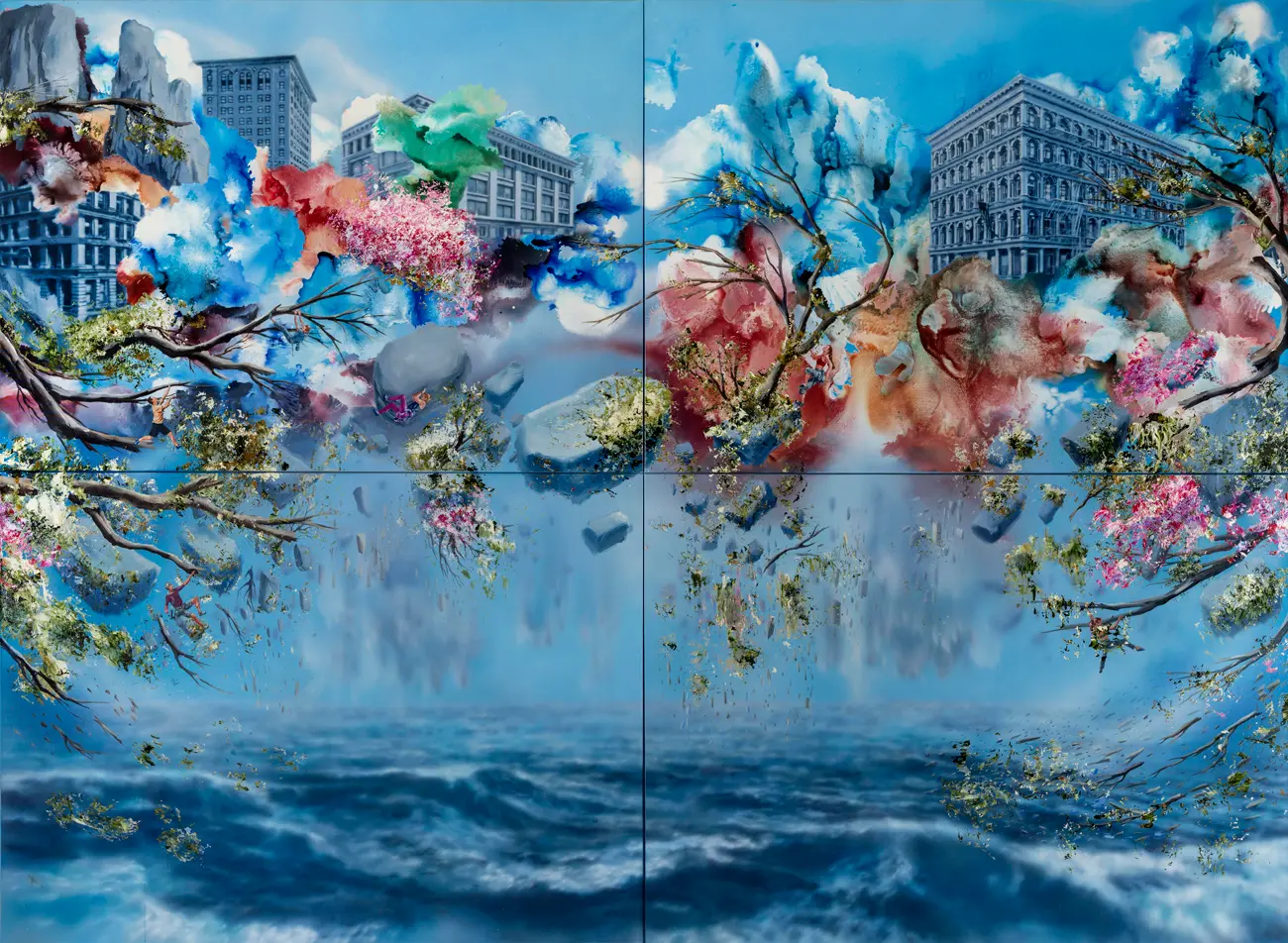
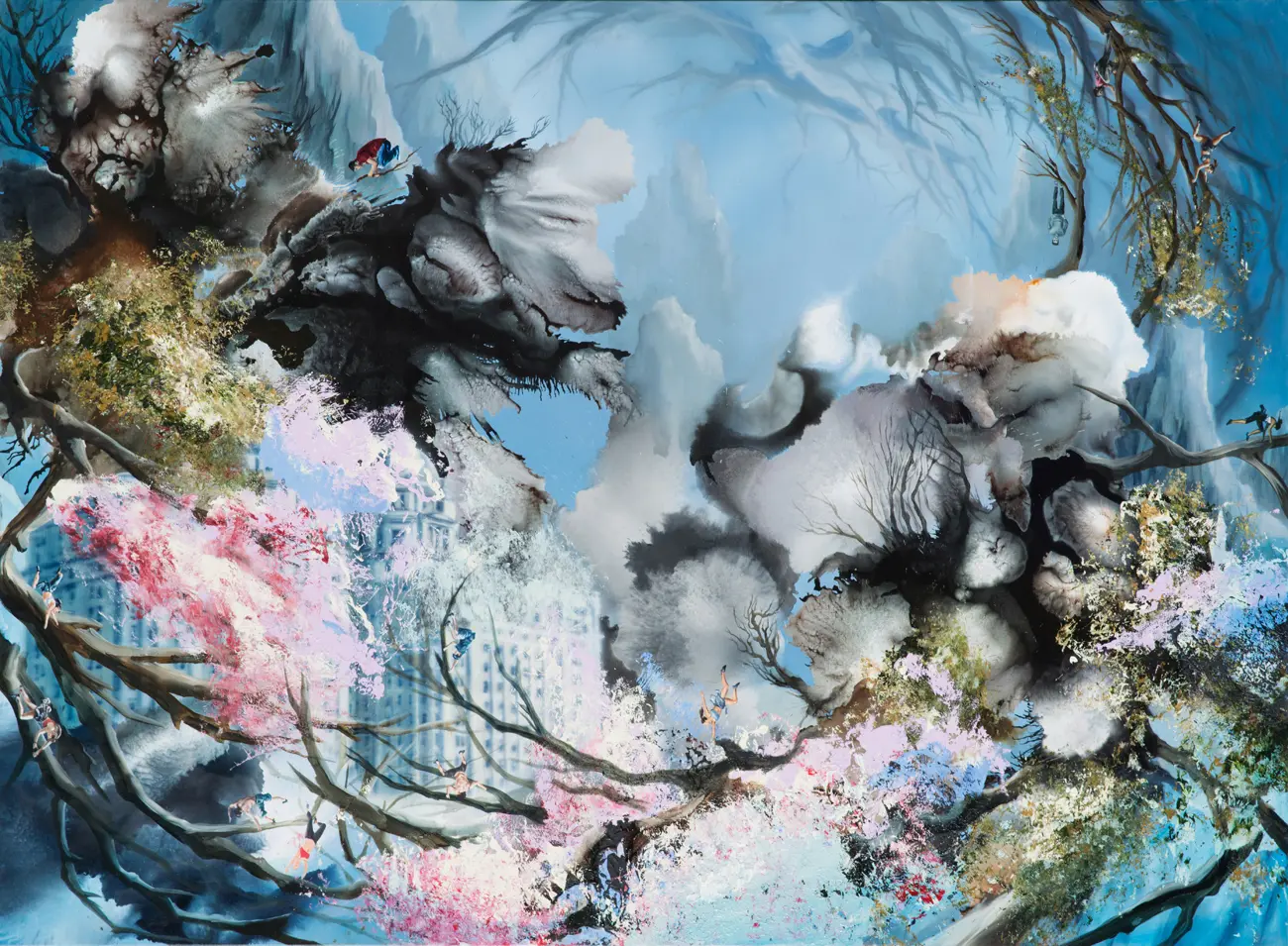
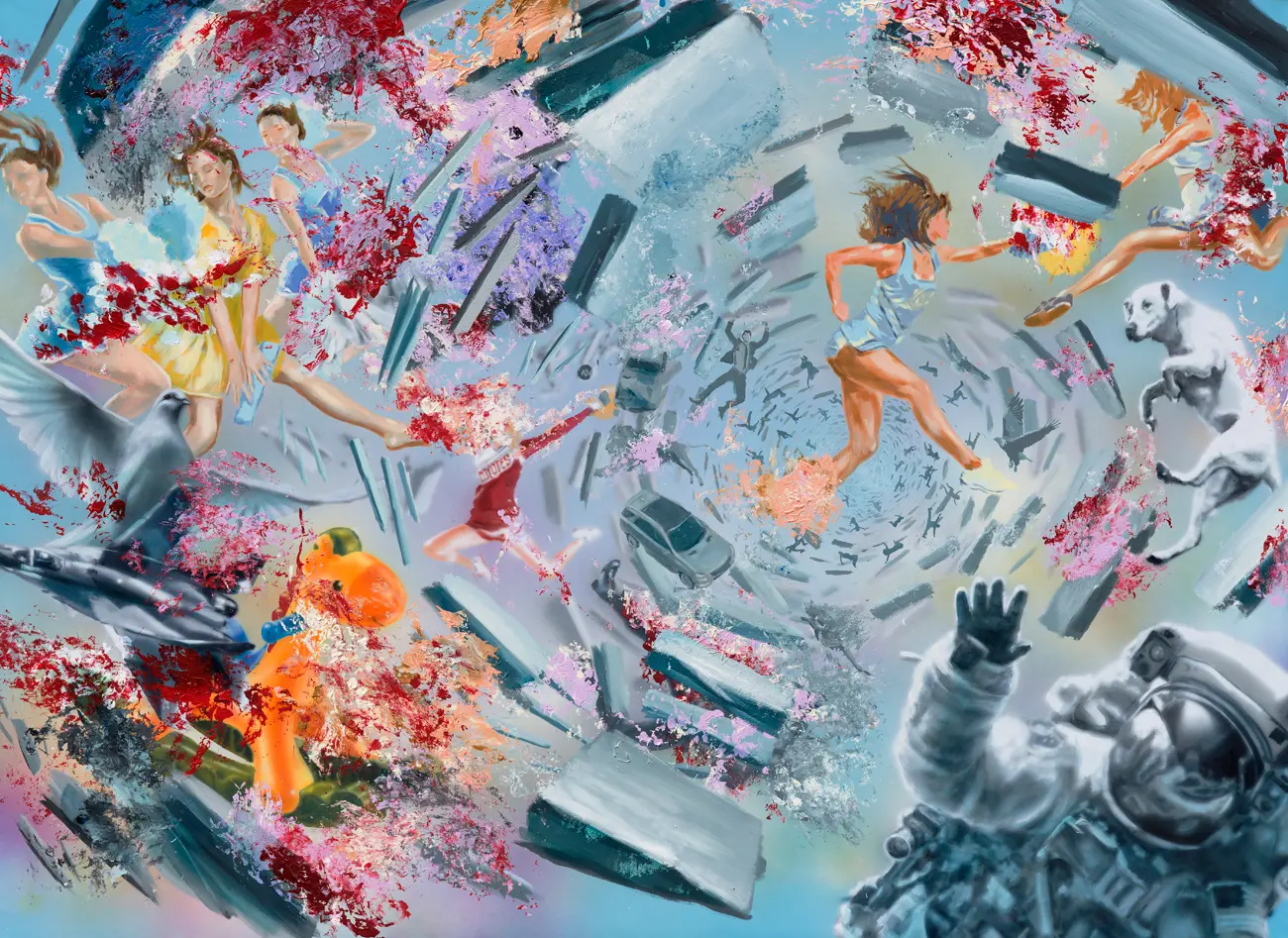
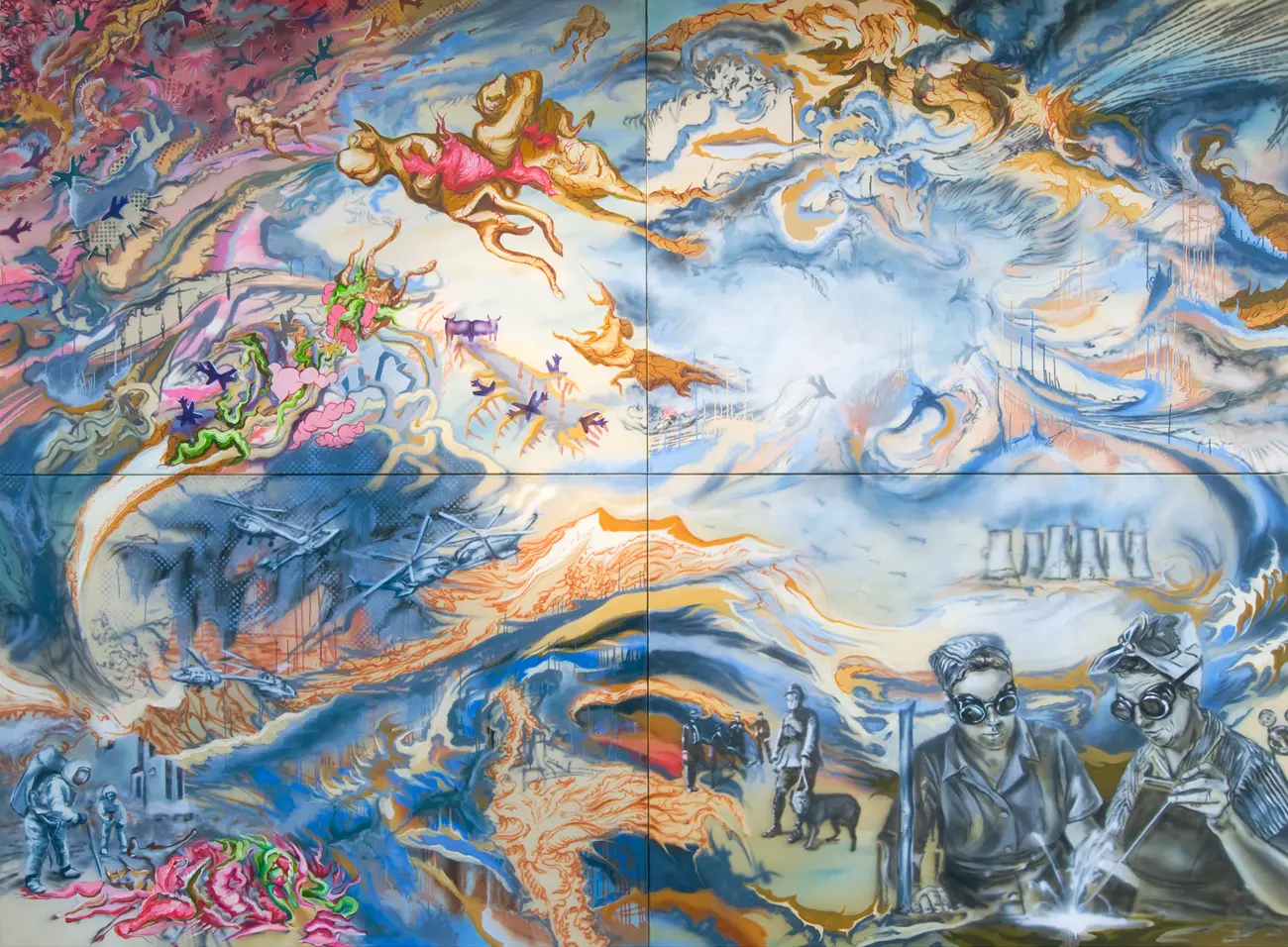
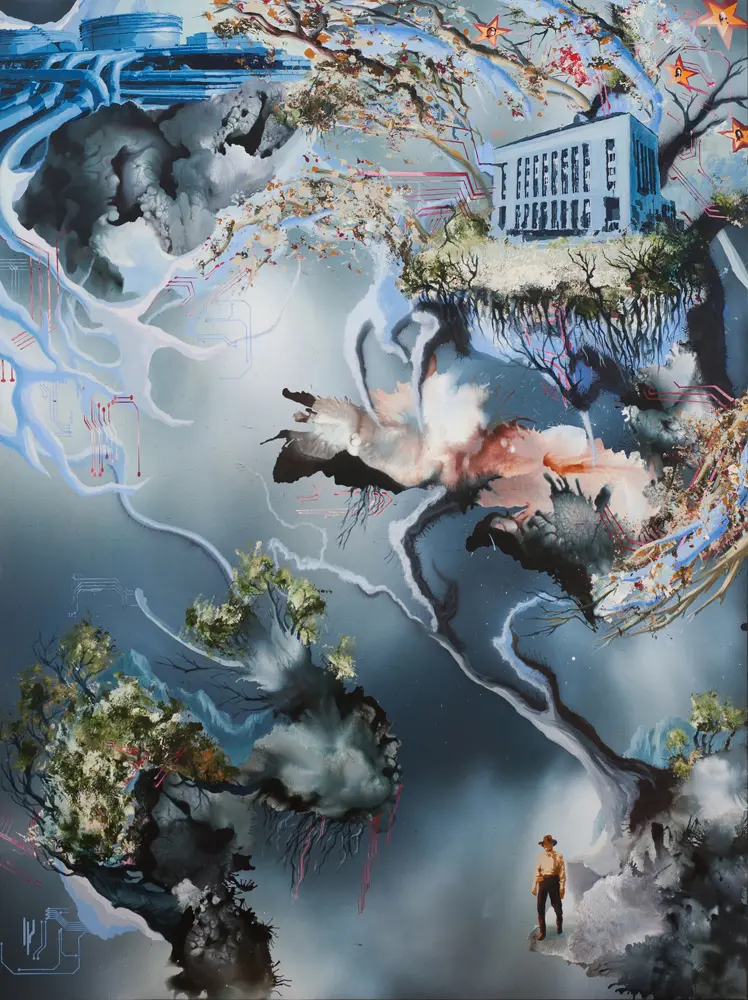
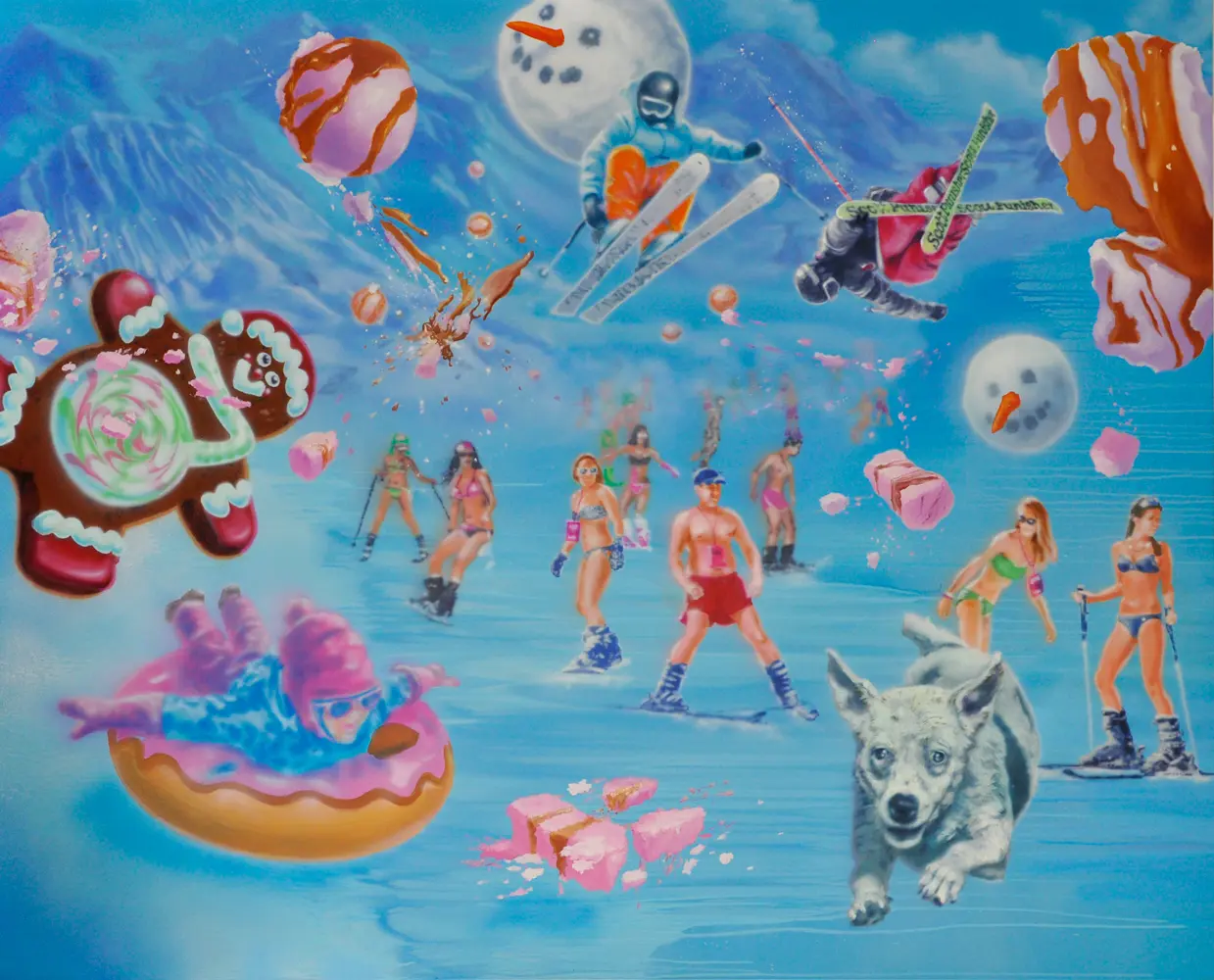
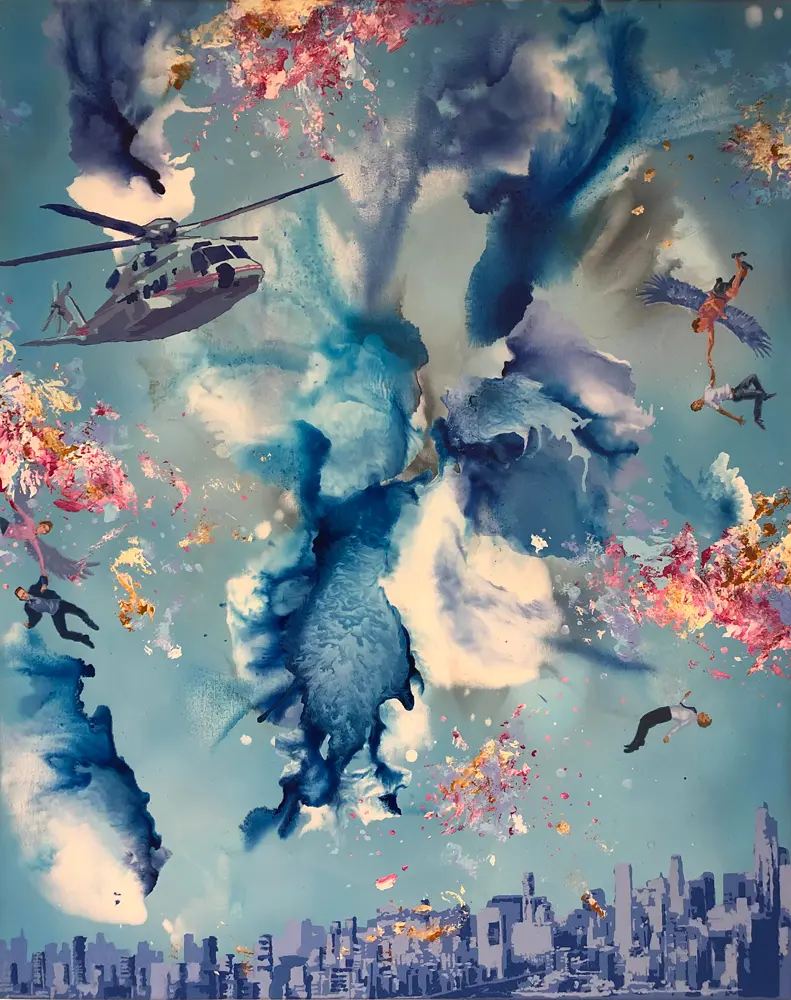
The Land Of Favour exhibition presents original graphic prints of large-format paintings that reflect the current direction and scope of the artist's work.
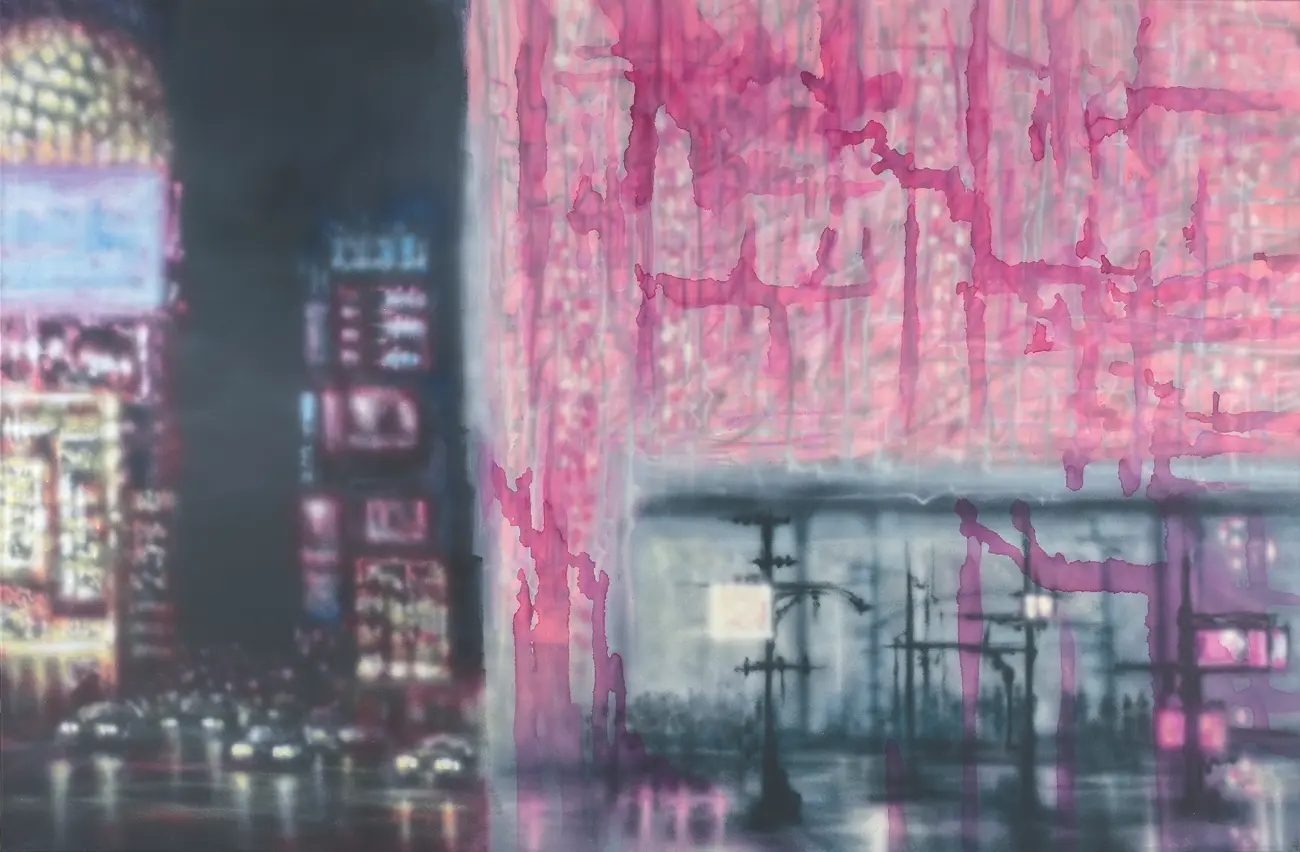
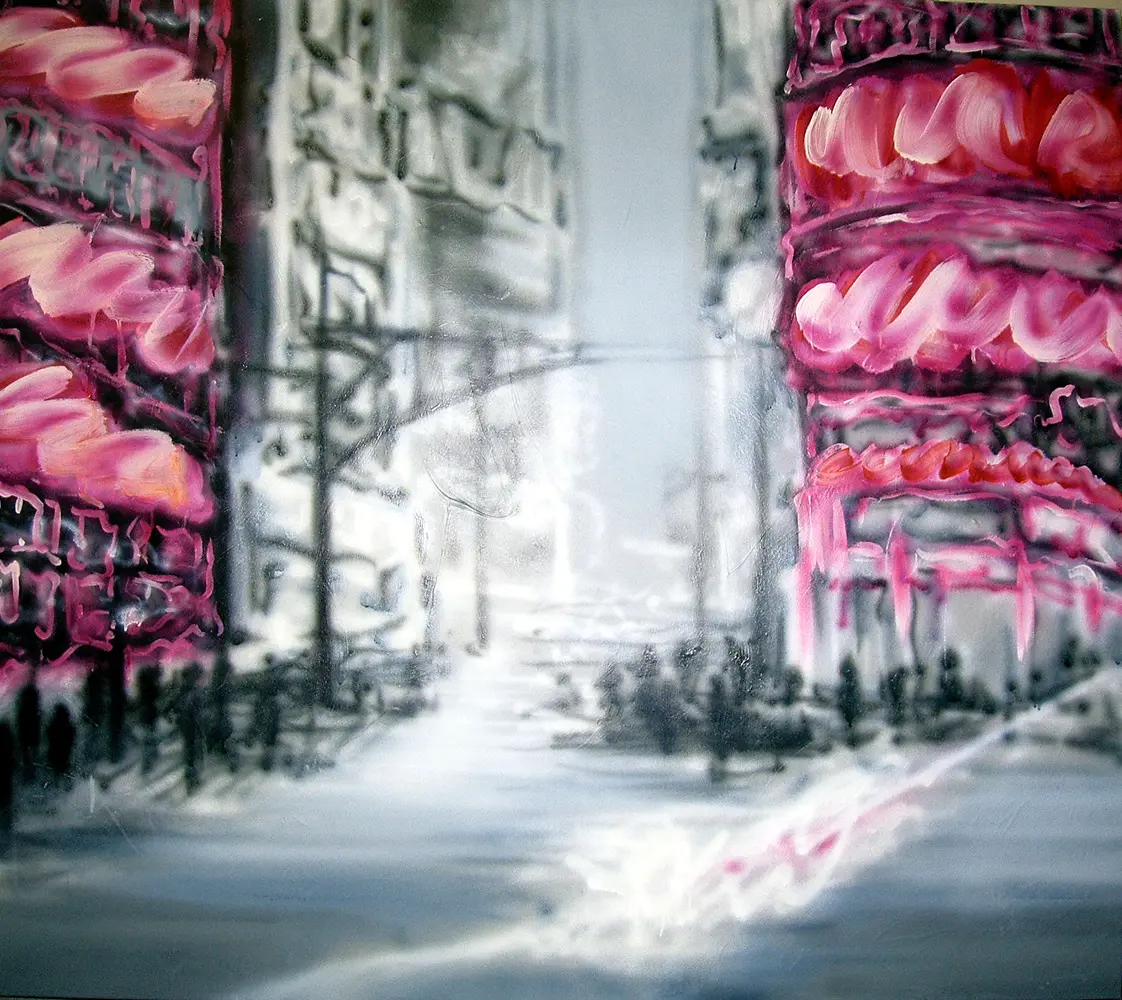
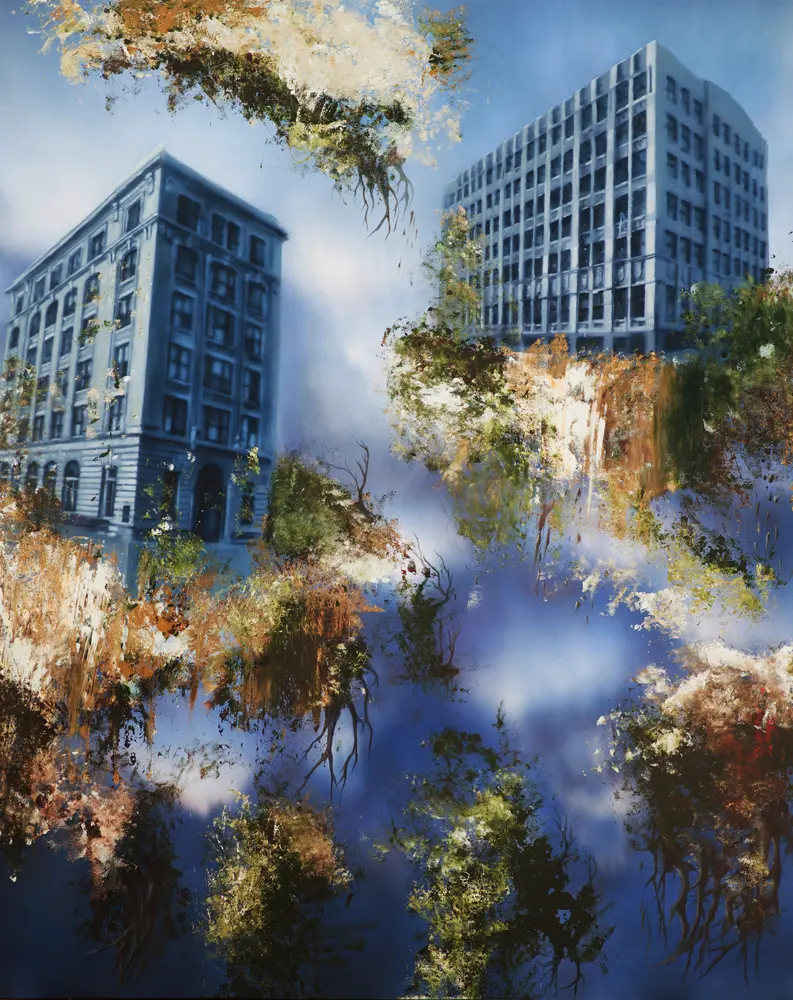
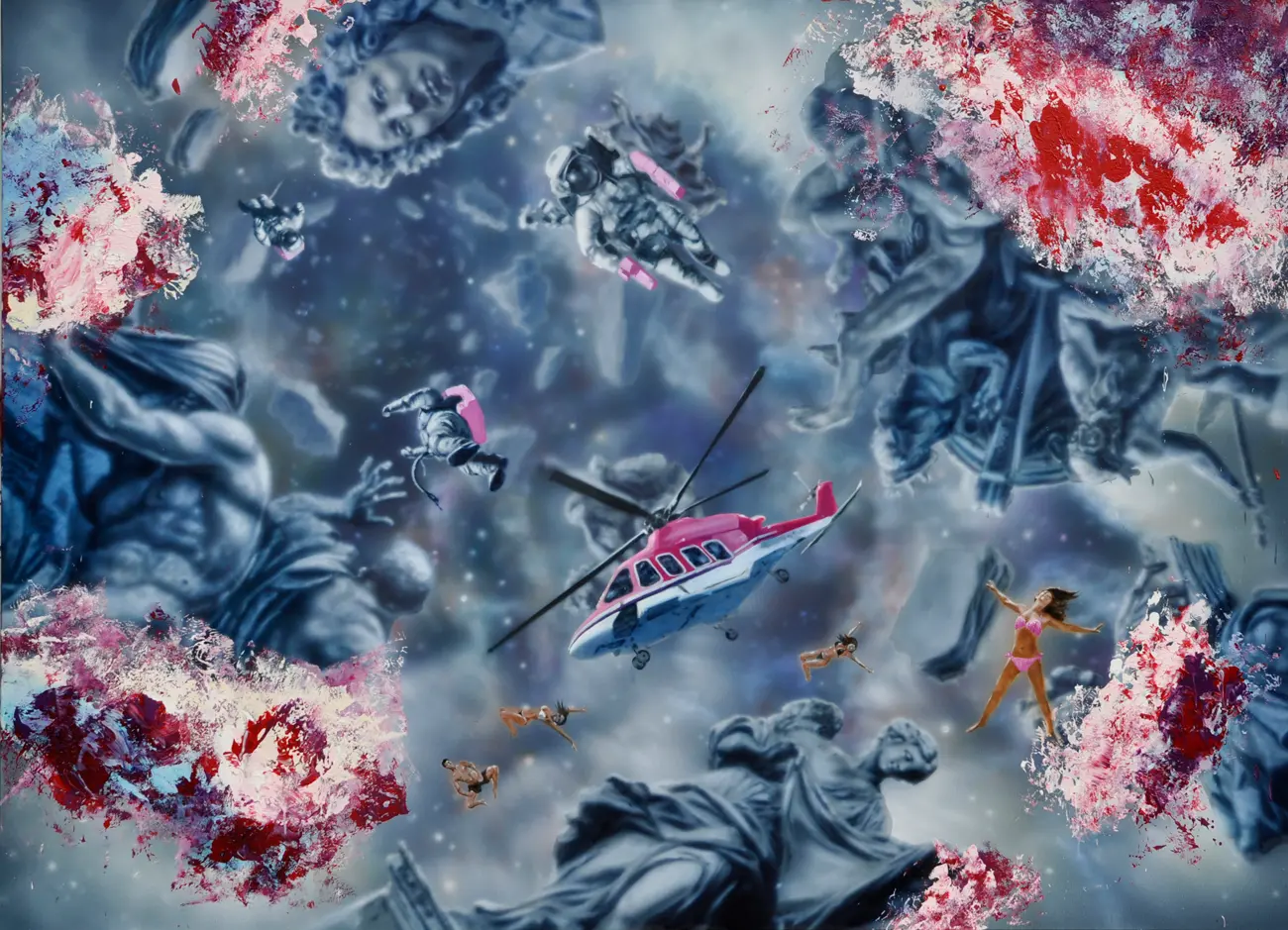
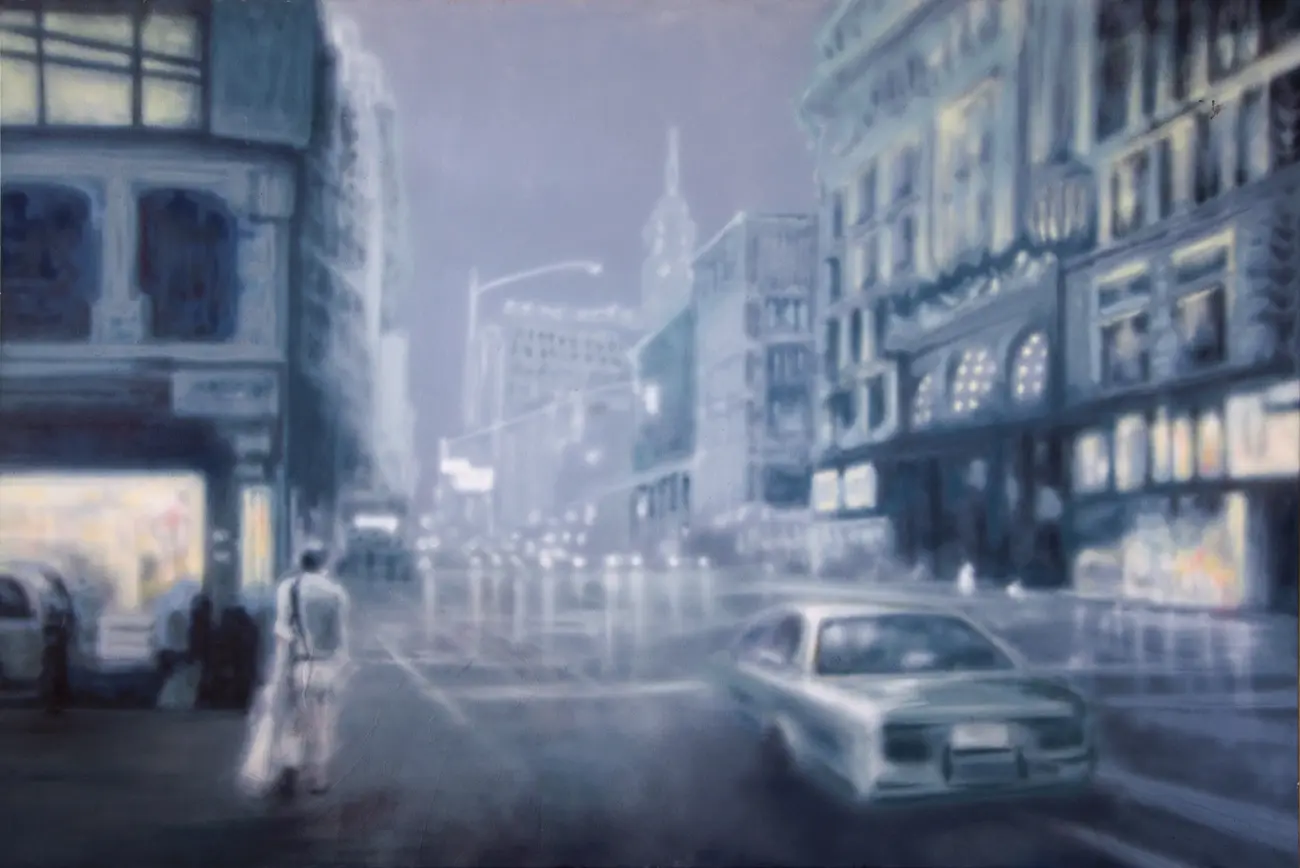
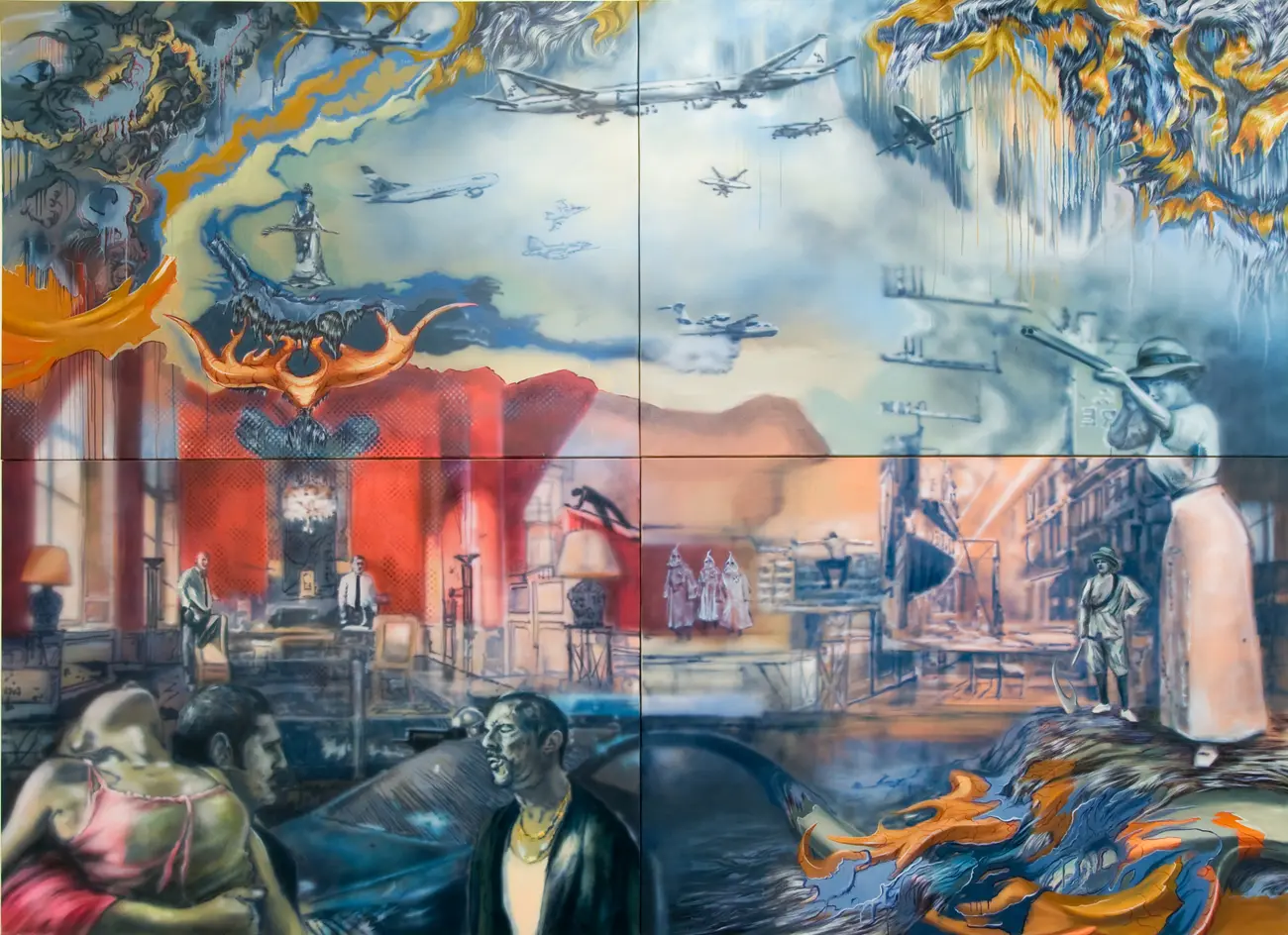
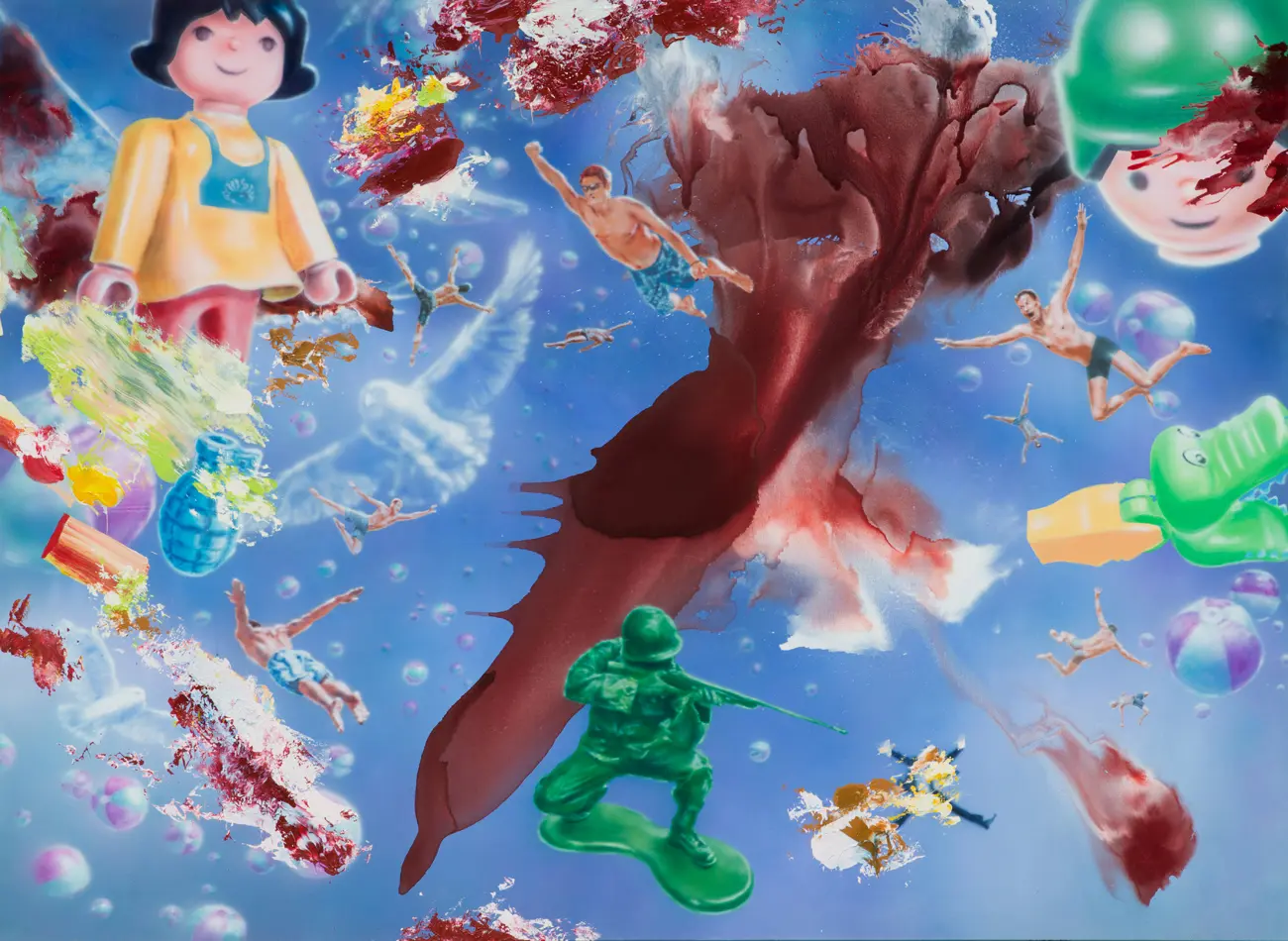
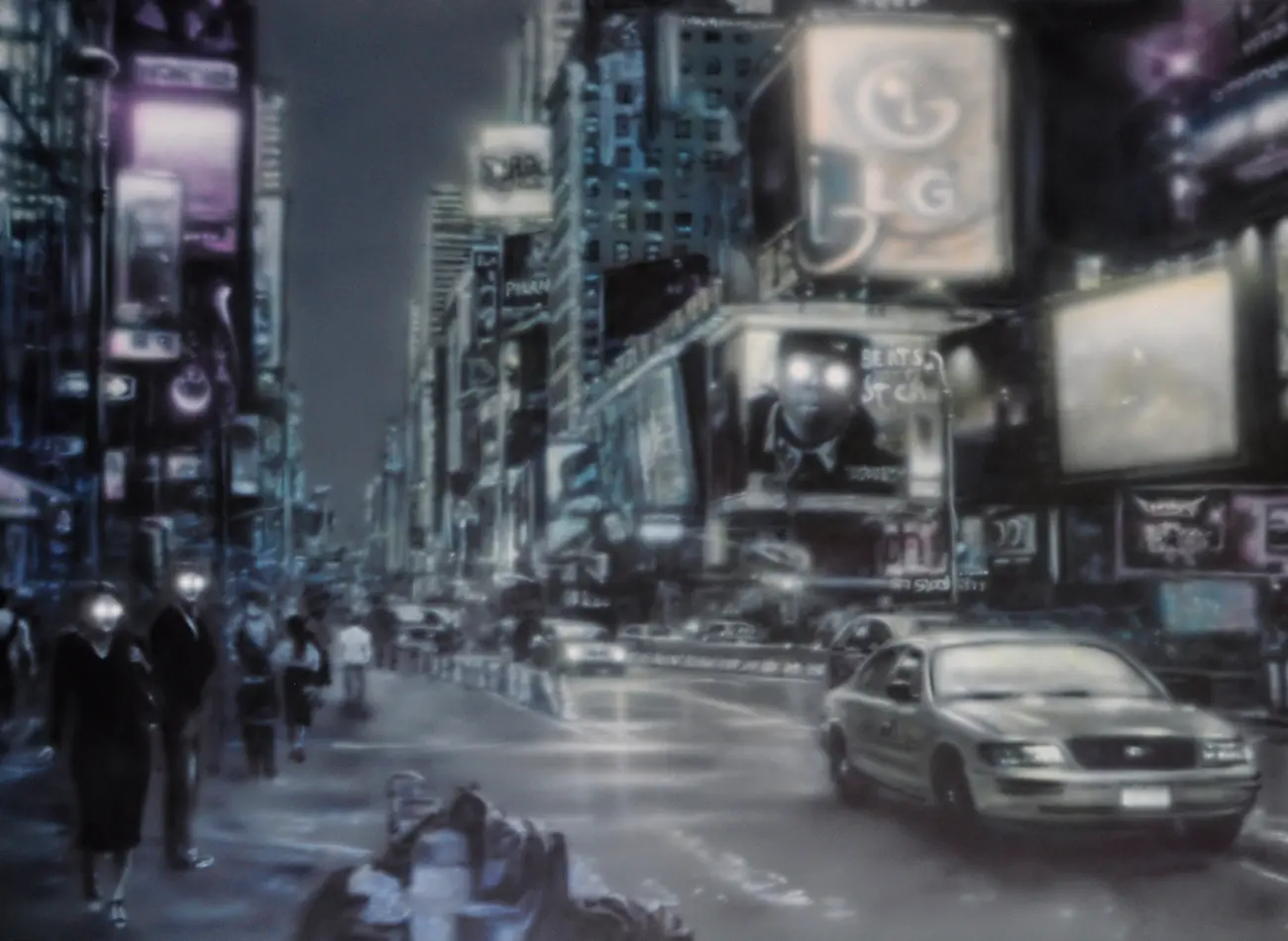
Michal Černušák systematically addresses themes of contemporary society, globalization, and consumerism. After an earlier period of monochromatic canvases, in 2010 he moved on to baroque swirls of colourful compositions containing fragments of various social groups and their activities. Today, cities are becoming homogeneous entities where architecture and visual elements are losing their unique characteristics. This phenomenon is the result of globalization and mass production, which leads to the creation of cities without a distinctive cultural or historical context. Černušák depicts the essence of these generic spaces and reflects on their aesthetics, symbolism, and influence on society itself.
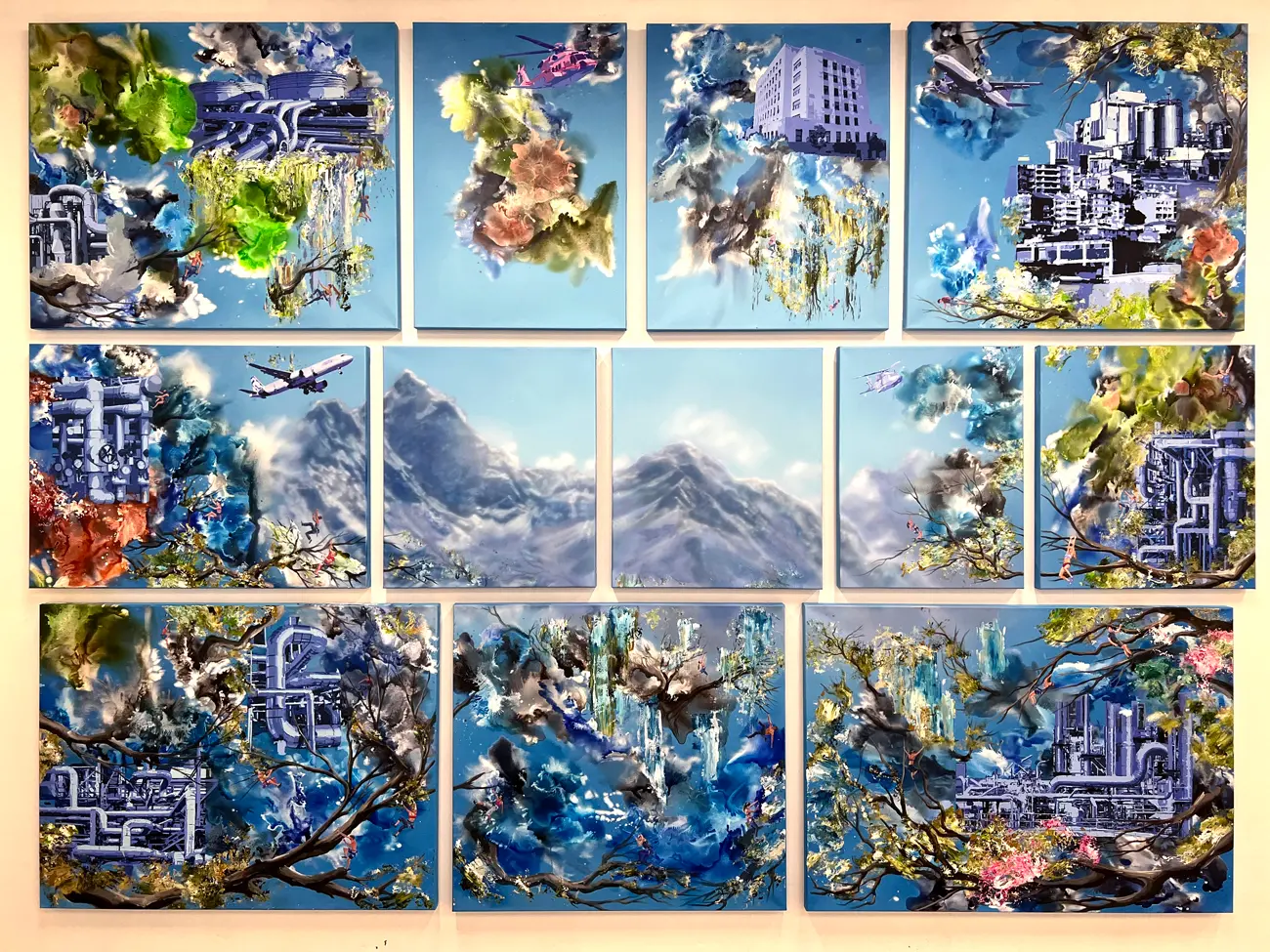
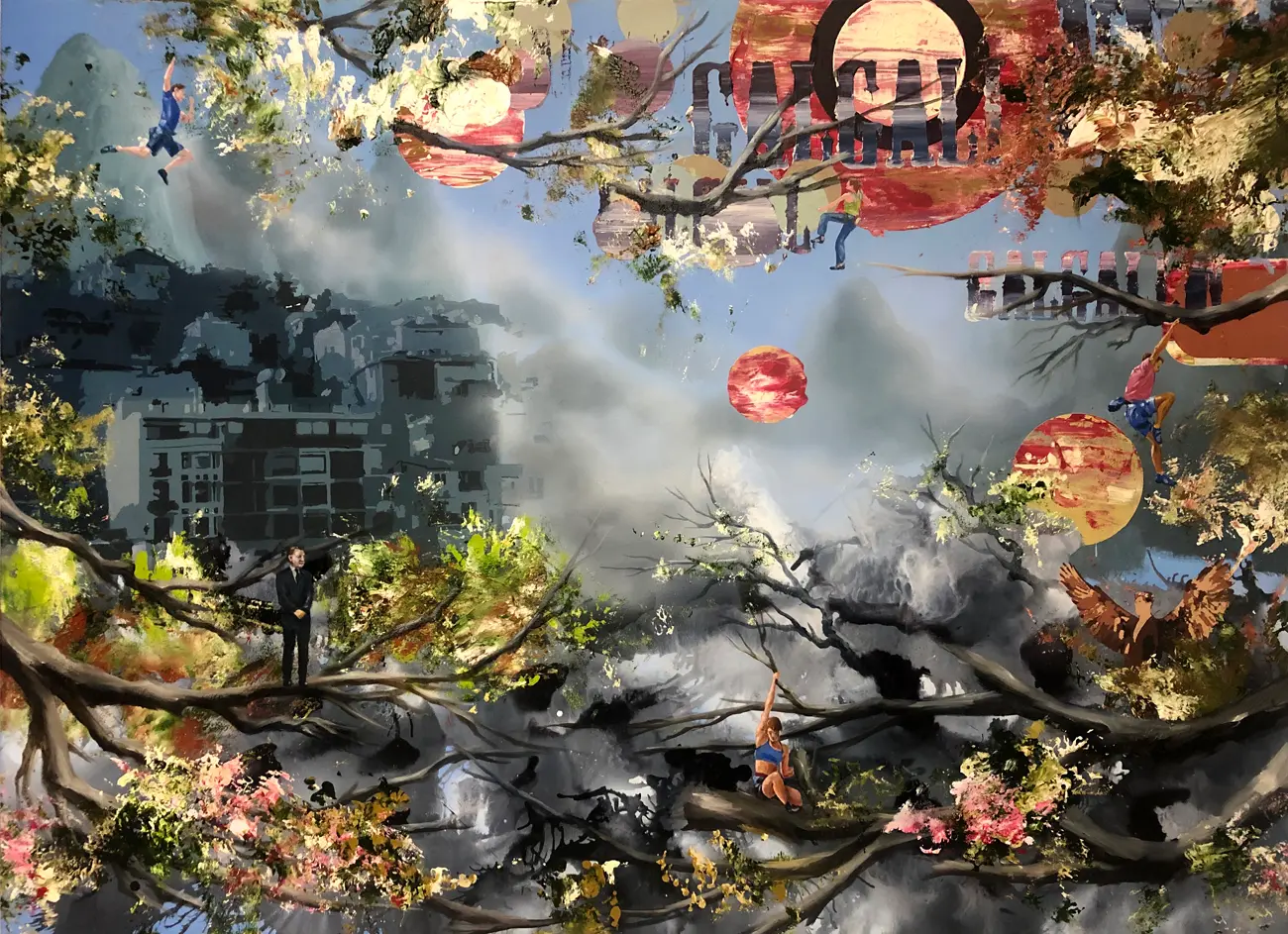
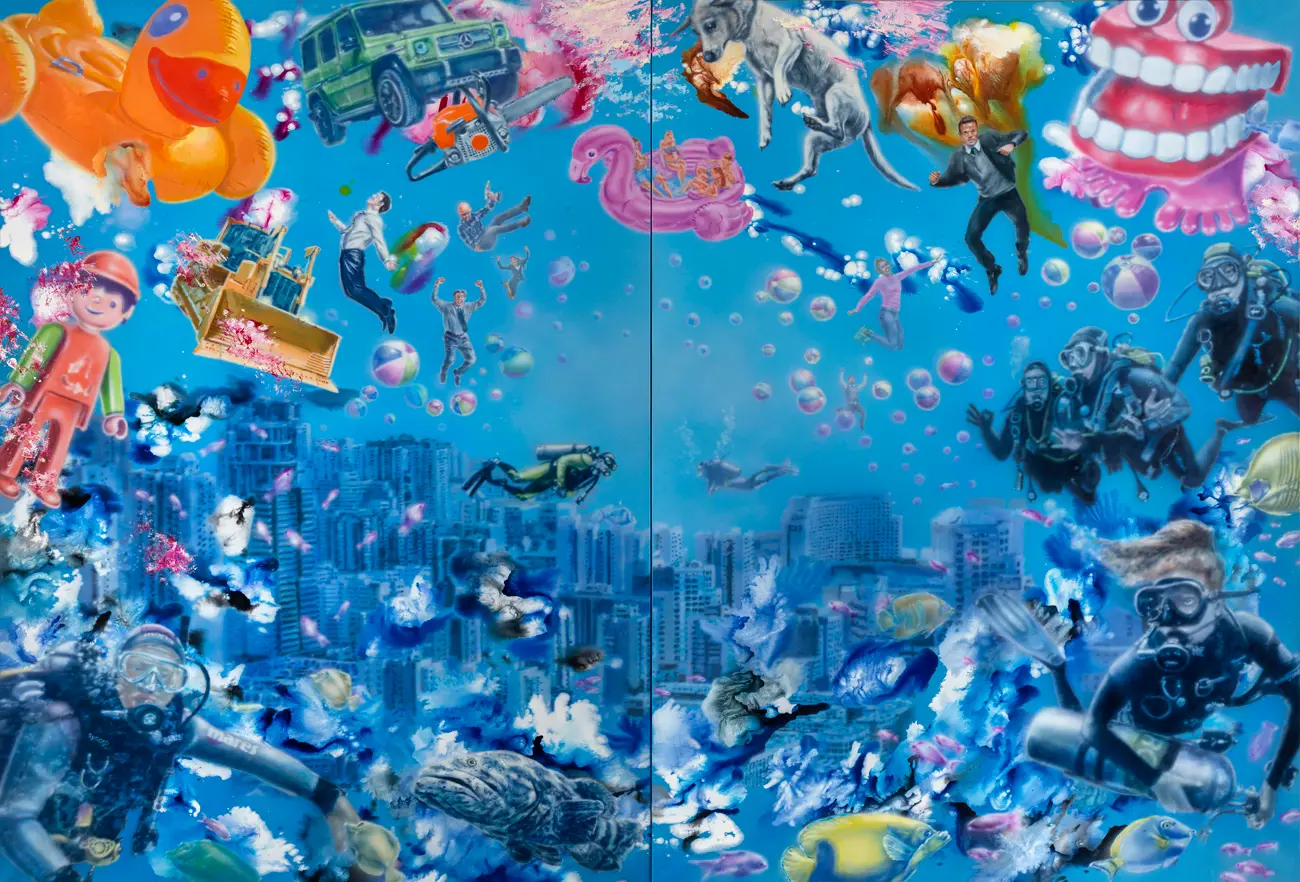
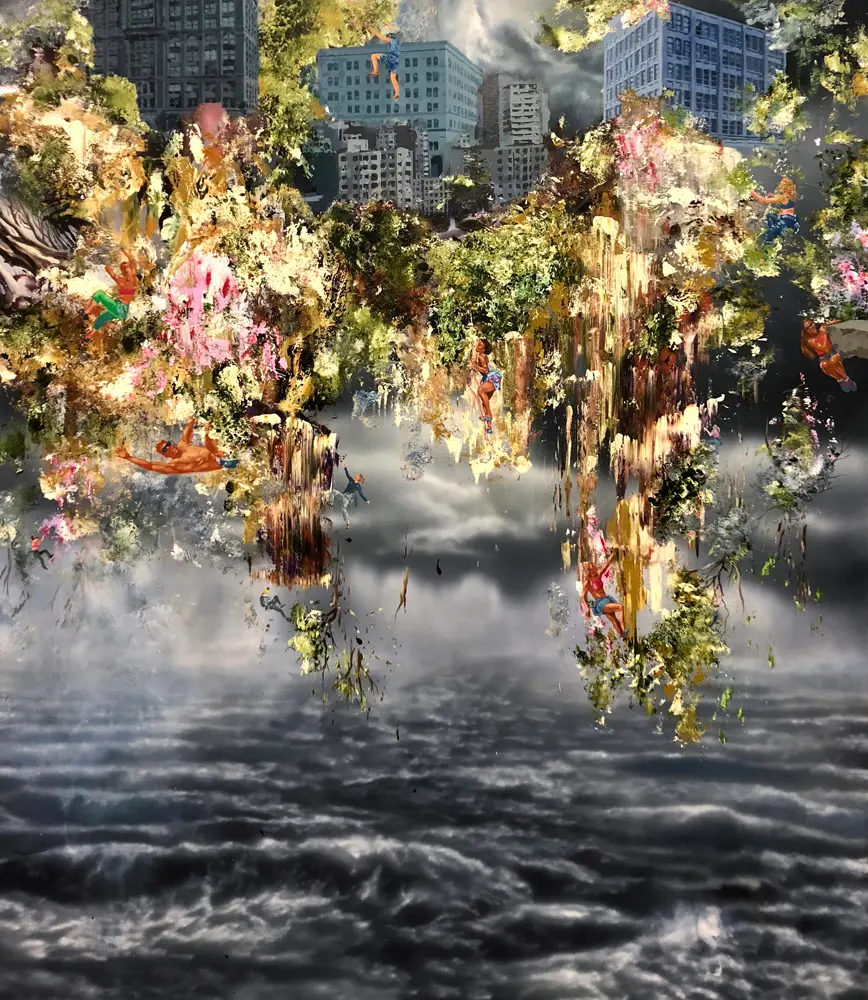
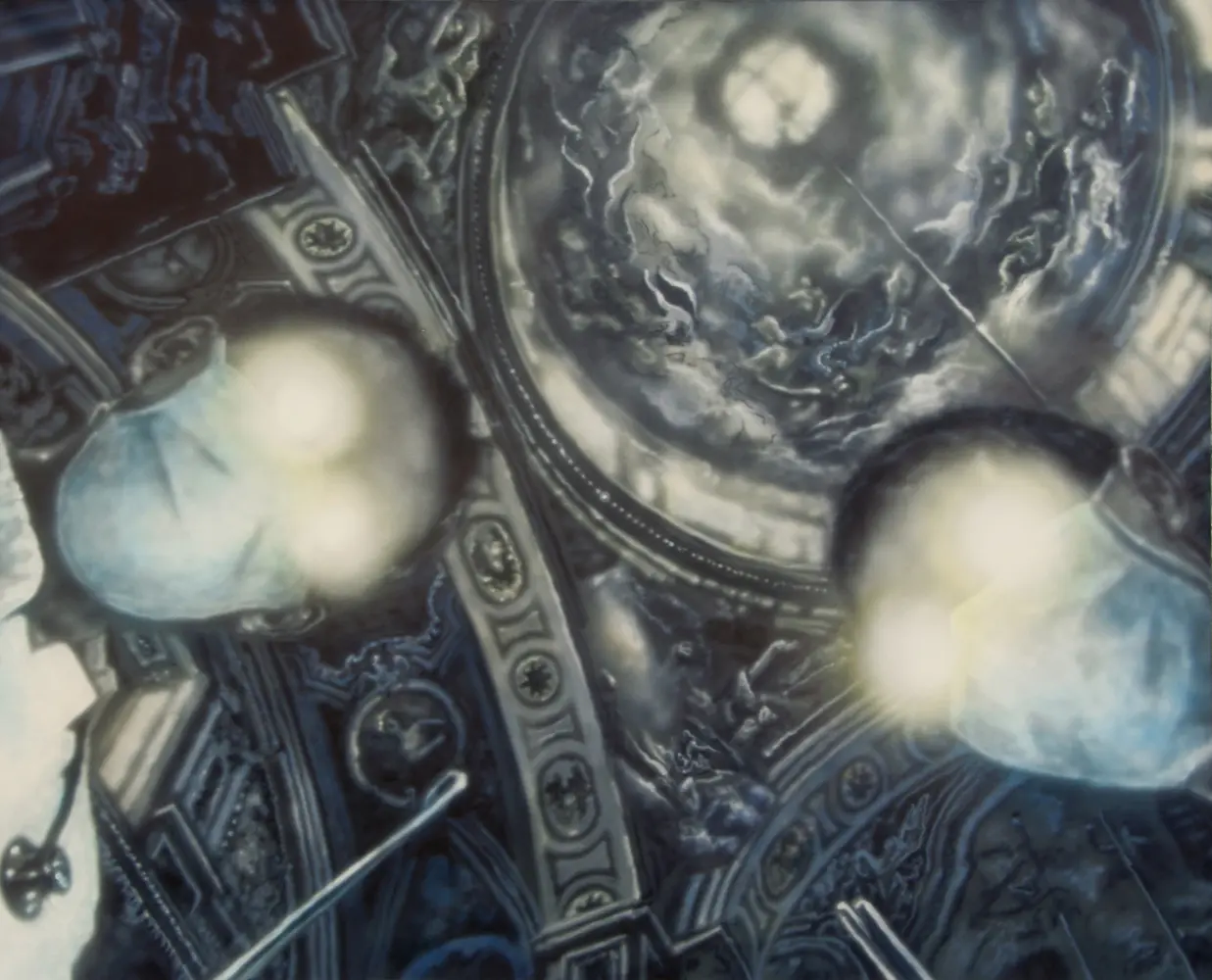
The exhibition maps the formulation of the author's painterly language, which is not only an artistic reflection of visited places or events seen in the mass media, but also aims to present them in a language that transcends formal representation. In mapping the generic city, Černušák reveals a structured social space, the layering and parallels of mental maps, the influence of digital infrastructure, mass media, and social networks on the lives of its inhabitants, and the environmental impacts on the city and its periphery or the surrounding landscape, which is directly related to the urban environment.
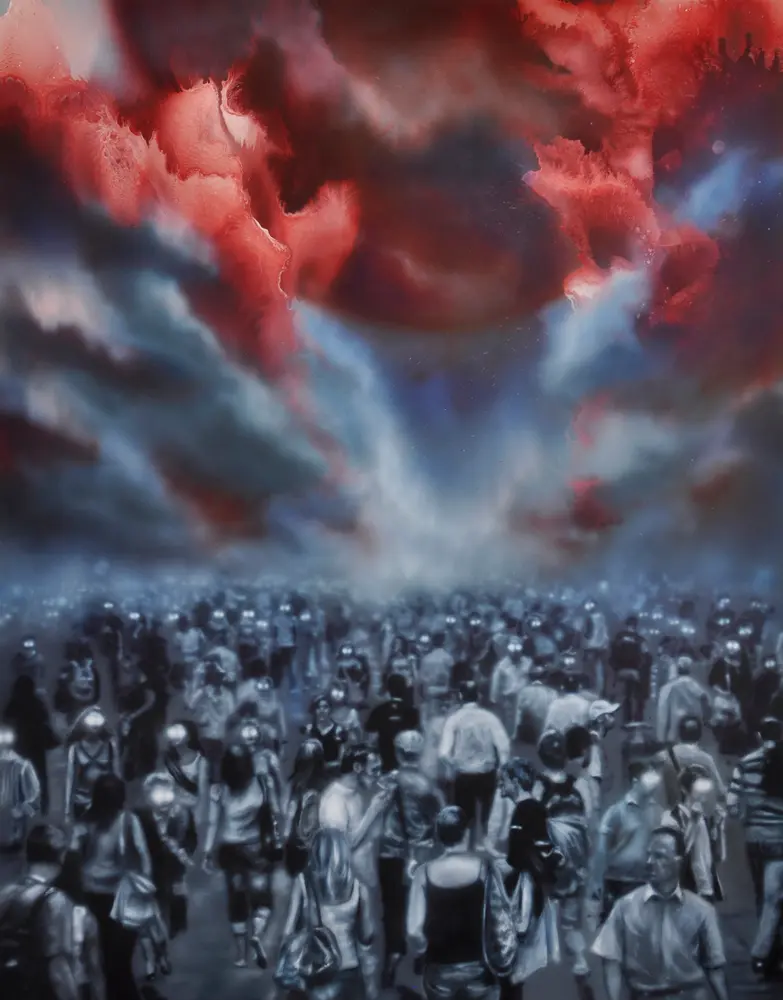
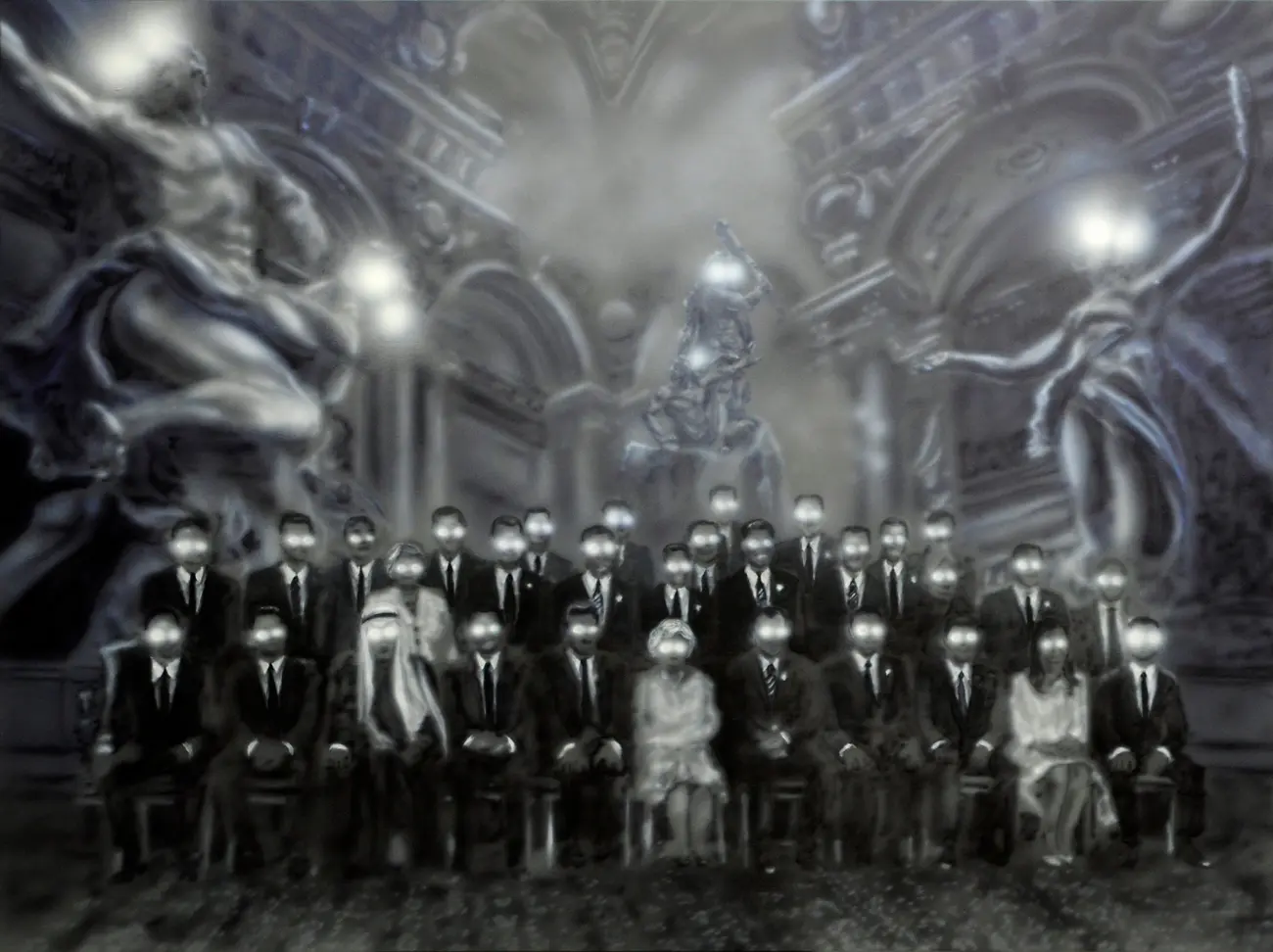
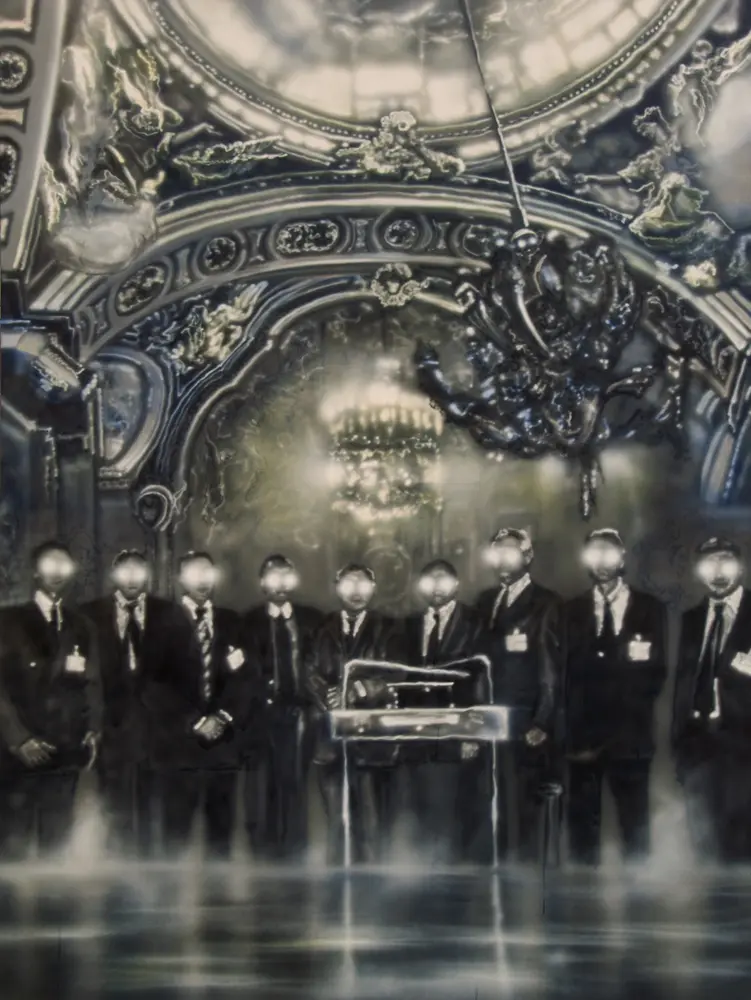
On his large canvases, he critically reflects and projects the global world of mass media information, capital, and the ills of the powerful. The complex compositions of his works feature floating architecture, development projects, lively beach parties, but also scenes of disasters and collisions. He connects street scenes of big cities with crowds of anonymous pedestrians with group figurative compositions of political leaders, whom he depicts with glowing, manipulative eyes. His sense of color and form, combined with monumental presentation, multiplies the persuasiveness of the painterly expression of the exhibited works.